
Natural Skincare
Why Organic Skin Care Matters: Benefits, Brands & Better Skin

Apr
The Importance of Organic Skin Care: Harnessing the Power of Natural Organic Skincare for Radiant Health, Sustainable Beauty, and a Toxin-Free Future
In an age where our largest organ – the skin – is assaulted daily by environmental pollutants, synthetic chemicals and hidden poisons in ordinary items, the move toward organic skin care has never been more critical. People are starting to realize that what we put on our bodies can have a huge impact on not just how we look, but our entire health, the environment, and even future generations.
Organic skincare is commonly confused with natural skincare. This type of skincare uses products that are grown without the use of synthetic pesticides, fertilizers or genetic alteration. Once approved, these products become certified organic skincare. A gold standard that ensures purity, potency and traceability from farm to face.
This exhaustive guide looks at why organic skincare brands and organic skin care products are revolutionizing regimens everywhere. We’ll dive into the science-backed benefits of natural organic skin care, compare it to traditional options, highlight top organic skincare brands like Terra Lotus, Hearth & Homestead, UpNature, and Florisan as examples of the best organic skincare products, and provide tips on how to make the switch. By the time you’re done, you’ll learn that choosing natural organic skincare isn’t just a fad – it’s a pledge to healthy skin, ethical sourcing, and the well-being of our world.
This article covers a deep analysis to provide you with everything you need to take your regimen to the next level.
What Is Organic Skin Care? – Beyond The Buzz Words
At its most basic, organic skin care is simply products that are made predominantly from materials grown using organic agriculture. They grow these crops without pesticides to keep the soil healthy and protect biodiversity. Certified organic skincare takes this even further: in the U.S. it must to fulfill rigorous USDA criteria, which require that at least 95% of the agricultural ingredients be organic to get the logo (or 70% for “made with organic ingredients”).
Manufacturing techniques are free from synthetic preservatives, artificial colours or petrochemical derivatives. This rule distinguishes certified organic skincare from ambiguous marketing claims.
Natural skin care, however, uses botanical, mineral or animal sources and does not necessarily have to be certified organic. A product may be natural skin care but use non-organic plants that are doused with pesticides or synthetic stabilizers. Natural organic skin care has it both ways: it blends nature-derived materials with certified organic sources to achieve the purest possible result.
Natural organic skincare uses whole-food ingredients, such as cold-pressed oils, herb infusions, and grass-fed animal fats, that work with the skin’s biology, not against it.
Organic skincare brands are gaining popularity owing to increased consumer demand. Unlike mass-market lines packed with additives, these companies are all about honesty. Organic skin care products usually have a shorter list of ingredients, which might be easier for sensitive skin.
Organic farming results in vegetables that are higher in antioxidants, vitamins, and phytochemicals, as studies and consumer reviews have consistently shown, therefore, more beneficial topically. For example, organically grown herbs or oils have more effective anti-inflammatory ingredients than conventionally grown herbs or oils.
This is important since your skin absorbs up to 60% of what you apply to it. Switching to organic skin care reduces your exposure to endocrine disruptors, carcinogens and irritants that are widespread in non-organic products. It’s not about perfection, but making informed decisions that prioritize best organic skincare products for long-term outcomes.

Conventional Skincare Dangers You Don’t Know About (Yet) – Why Change Is Urgent
Traditional skincare uses synthetic chemicals that are meant for shelf stability and low cost. Common offenders include: parabens (preservatives linked to hormone disruption), phthalates (found in fragrances, tied to reproductive issues), sulfates (harsh cleansers that strip the skin barrier), formaldehyde releasers, and chemical UV filters like oxybenzone (which can harm coral reefs and potentially accumulate in the body). These substances are included in everything from moisturizers to serums and cause irritation, allergic responses, accelerated aging, and systemic problems over time.
Research shows how these poisons load the skin’s microbiome – the fragile community of bacteria that guards against infection and inflammation. It can worsen eczema, acne or rosacea and synthetics will only disrupt it further. Conventional farming and product production produce runoff that pollutes streams, diminishes biodiversity, and depletes soil. One bottle of non-organic lotion can contain materials from monoculture farms that use pesticides that kill pollinators and poison groundwater.
On the other hand, organic skin care products don’t have these problems at all. Opt for certified organic skincare to avoid the “forever chemicals” (PFAS) that may be present in waterproof formulas or packaging. The cumulative effects of daily exposure are convincing for natural organic skincare. Less toxins, less oxidative stress, greater cellular repair, stronger skin barrier. “Users frequently report clearer, more resilient complexions after the transition as the skin is no longer fighting synthetic interference.”## Organic Skin Care Products Health and Beauty Benefits
The benefits of organic skincare are far more than just avoidance. Natural organic skin care components provide bioavailable nutrients that no conventional product can match. Organic vegetables do not get stressed by chemicals and hence create far greater antioxidants to fight free radicals that cause wrinkles, dullness, and hyperpigmentation. With vitamin C and E and polyphenols from organic botanicals to boost collagen formation and elasticity.
Organic skin care products are great for hydration and healing. Grass-fed tallow is found in many best organic skincare products. Tallow is similar to human sebum in its profile of fatty acids and vitamins A, D, E, and K. It is deep penetrating without blocking pores, and is suitable for dry, mature or sensitive skin. Users experience decreased inflammation, faster healing of blemishes and natural radiance.
The star for anti-aging is natural organic skincare. Rich in vital fatty acids, organic rosehip or castor oils help to plump the skin and reduce scars. Seek USDA-certified organic essential oils such as rosemary or tea tree for antibacterial and circulatory benefits without the synthetic dilution. Clinical studies have demonstrated that organic solutions using plant extracts are equally or more effective than synthetics for hydration, calming and brightness, without side effects.
It’s a huge help for sensitive skin. Certified organic skincare reduces the potential for discomfort because it is free of common allergens such as synthetic scents. For babies and children, families love this where gentle organic skin care helps develop barriers. Hormonal balance is also improved. Avoiding endocrine disruptors helps regulate cycles and decreases acne flares associated with chemical overload.
Organic skin care improves mindfulness, emotionally and mindfully. Knowing your products are sustainably sourced helps ease “clean beauty” anxieties, and encourages a comprehensive self-care regimen that nourishes both body and mind.
Environmental and Ethical Considerations
Organic skin care fits with sustainability. Organic farming regenerates soil, sequesters carbon and preserves pollinators, all critical to tackling climate change. Natural organic skincare packaging will typically use glass or recyclable materials to minimize plastic waste. Biodegradable formulations do not remain in ecosystems like petroleum based formulas do.
Ethically, organic skincare brands are usually associated with fair trade, cruelty-free practices and small farms. Most are family owned thus traceability is assured. Choosing them is a vote against exploitative supply chains and for biodiversity. best organic skincare products have a smaller environmental footprint: less water use in organic farming and less hazardous runoff.
A Look at the Top Organic Skincare Brands
The top organic skin care brands are successful with organic skincare because of innovation based on tradition. Terra Lotus is natural organic skincare at its most perfect through handmade, small-batch formulations. Their distinctive Organic Grass-Fed Beef Tallow Balm is a mix of 100% grass-fed tallow, raw honey, organic Italian olive oil and beeswax. This unscented or citrus-scented moisturizer penetrates deeply to feed with vitamins for soft, smooth skin.
Terra Lotus also has tallow soaps and mineral sunscreen SPF 50 with non-nano zinc oxide – the perfect organic skin care products for everyday protection without the chemical filters. Terra Lotus is a family-owned brand that embraces ancestral ways to show that the best organic skincare products may be simple yet revolutionary for dry or breakout-prone skin.
Hearth & Homestead, a Virginia-based treasure, focuses in ancestral certified organic skincare (or near-equivalent natural standards with regenerative sourcing). Their whipped tallow balms use grass-fed, grass-finished tallow, sourced from regenerative farms in the U.S., and are infused with organic calendula and rose in extra-virgin olive oil.
Free of preservatives, fillers or synthetics, these balms are suitable for eczema, rosacea, sensitive skin and even newborns. With hundreds of thousands sold, their herb-infused compositions provide a permeable barrier that seals in moisture while allowing skin to breathe. Hearth & Homestead is an amazing organic skincare brand. Their motto is “if it’s not good enough for our family, it’s not good enough for yours.” You can really feel that attitude in every jar of their all-natural soaps and balms.
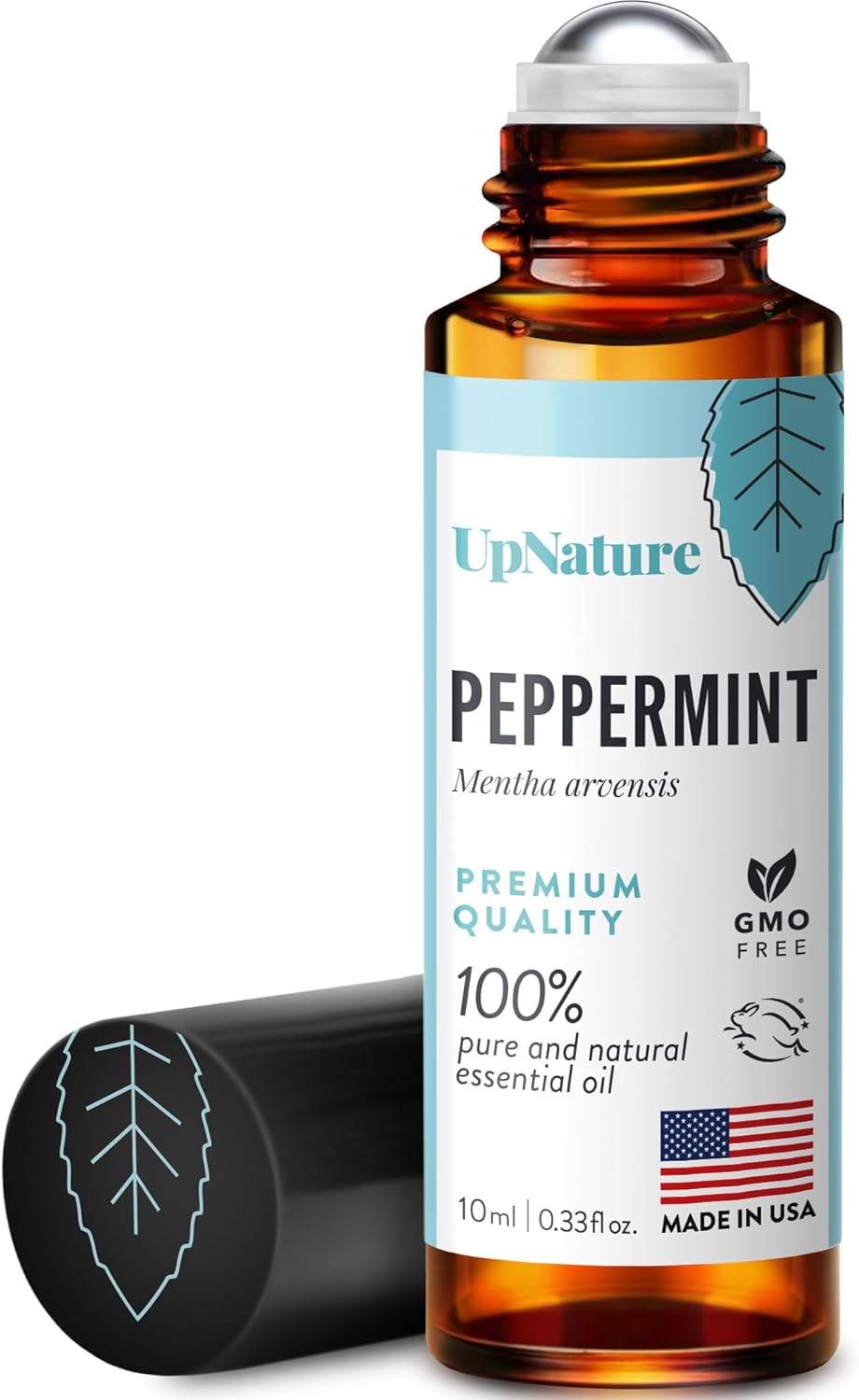
UpNature takes natural skin care into essential oil territory with USDA-certified organic options. Their organic castor oil, rosemary oil and tea tree oil are for hair, scalp, skin and nails. UpNature’s castor oil is cold pressed and hexane free, and may be used as a moisturizer, a lash serum, or combined with frankincense and used as an under-eye roller.
Pre-diluted roll-on organic skin care products are a practical on-the-go option. UpNature is about clean, cheap natural solutions that let you be healthy without compromise, perfect for people looking for best organic skincare products for specific needs such as dryness or inflammation.
Rounding out the list is Florisan with its USDA Certified Organic Castor Oil. Hydrates skin, promotes lash and brow growth and nourishes nails Packaged in amber glass bottles to maintain potency Cold-pressed, hexane-free, EWG-verified oil Florisan is a pure formula that embodies the purity of natural organic skin care and is versatile for face, body or hair. Users rave about its involvement in bright, moisturized complexions and healthier hair—showing that even single-ingredient organic skin care products can pack a punch when sourced perfectly.
These organic skincare brands from Terra Lotus, Hearth & Homestead, UpNature, and Florisan exemplify the combination of tradition, science, and ethics that make up the best organic skincare products. Oil-powered hydration or tallow-based sustenance, they make real differences without hidden expenses.## Choosing and Establishing a Routine with the Best Organic Skin Care Products
It’s as easy as reading labels when buying organic skin care products. Look for USDA Organic stamps, third-party certifications (like Leaping Bunny for cruelty-free), and short ingredient lists. Patch test new items, especially those containing tallow or essential oils. Keep it simple: gentle cleanser, moisturizer (such Terra Lotus or Hearth & Homestead balms), and targeted oil (UpNature or Florisan castor).
A simple natural organic skincare routine may be washing in the morning with Hearth & Homestead soap, Florisan castor oil serum, and sealing with Terra Lotus balm. Evening adds UpNature rosemary for scalp or face massage. Rich in tallow for dry types, lighter for oily. Make the transition slowly so you don’t purge the skin as it is detoxifying.
Be smart with your budget: certified organic skincare is pricier but more concentrated, so it will last longer. Many organic skincare brands provide samples or bundles.
Busting the most common myths
Myth: Organic skin care doesn’t work as good. Reality: Nutrient-dense formulations generally beat synthetics in terms of absorption and lifespan. Myth: All “natural” is organic. No, certification is important. Myth: It’s just for sensitive skin. Everyone benefits from having less toxins.## Summary: Your Skin. Your Planet. Your Choice.
Organic skin care is not a luxury, it is a necessity of contemporary life. When you choose natural organic skincare and certified organic skincare from trusted organic skincare brands such as Terra Lotus, Hearth & Homestead, UpNature, and Florisan, you are choosing healthier skin, a cleaner environment, and ethical beauty. The best organic skincare products provide visible, tangible results and are also in line with ideals of sustainability and purity.
Start today. Take a look at your shelf, make one swap and see the difference. Your skin will thank you and the Earth will thank you. True radiance comes from inside — and from decisions that honor nature, with organic skin care leading the way. Experience the transformational power of clean, mindful beauty and switch to natural organic skin care.
When you buy, we may earn an Amazon referral commission that we give entirely to an NGO for homeless Veterans.
